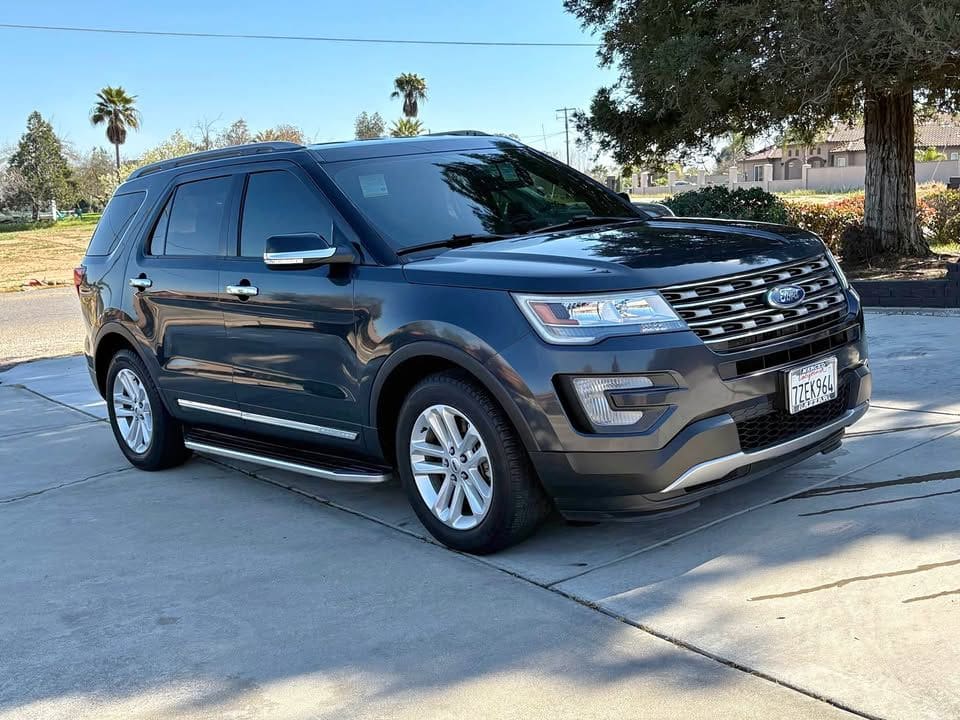
Finding a private seller is the start of a buying process, not the finish. A dealership still needs enough information to evaluate the car, a clear offer, and a practical way to meet the seller. When those steps are scattered across conversations, it is easy to lose context.
CarLinks brings an agent-led sourcing workflow and a dealer portal together. The aim is to make it easier for each team to see what needs to happen next. Here is how that process fits together.
1. Start with a useful buying brief
Before reviewing individual cars, make your preferences clear. The makes, model years, mileage ranges, and price bands your dealership wants are a useful starting point. Location and buying availability matter too: an interesting vehicle still needs a workable path to your store.
Review the brief when your inventory priorities change. A preference that made sense last month may no longer reflect what you need on the lot today. Keep the team sourcing your opportunities aware of those changes. Our guide to writing a buy list your sourcing team can act on covers what to include.
2. Gather the context before making the offer
A vehicle title and asking price are only part of the picture. Photos, mileage, location, reported condition, and available history details help your team decide whether an opportunity deserves a closer look.
Be clear about which details have been reported and which still need to be checked. A price reference helps a conversation, but it does not replace your assessment of a particular vehicle. Likewise, a VIN decoder describes a vehicle; it does not establish its condition or ownership.
3. Keep the offer and counter-offer easy to follow
Once you have enough information, your dealership can make an offer. A CarLinks agent reviews it and helps handle the seller conversation. If a counter comes back, your team can accept, decline, or respond with another amount.
Know what your number assumes. Expected resale price, repairs, transport, fees, and holding costs all affect how a purchase fits your plan. The acquisition calculator lets you work through a scenario using your own inputs, and how to set a maximum offer on a private-party car walks through an example.
4. Turn an agreed price into a prepared visit
After a price is agreed, the CarLinks team coordinates an appointment between the seller and your dealership. Confirming the time and location gives both sides a practical next step.
Prepare your team before the vehicle arrives. Review the record, the agreed conversation, and any condition questions that still need attention. A private-party inspection checklist can help structure the visit. The visit is where your dealership can inspect the car and make its purchase decision. An appointment is a step toward a possible purchase, not a guarantee that the deal will close.
5. Record what happened
Whether the dealership buys the vehicle or the opportunity does not work out, record the outcome. A clear final result helps prevent unnecessary follow-up and gives the team a more useful view of its buying activity.
The same principle applies throughout the process: each stage should leave enough context for the next person to act. That is the value of combining a sourcing team with a shared dealer workspace. You can read more about how CarLinks works.